About Us
About MS Australia
Our People
Partnerships
Reports and Financials
John Studdy Award
For People with MS
COVID-19 and MS
What is MS?
MS Symptoms
How is MS diagnosed?
Types of MS
MS Treatments
Health and Wellbeing
Adapting Your Lifestyle Guide
Diet and Nutrition
Exercise
Fertility, Pregnancy and Intimacy
Mental Health
Wellbeing
MS Nurses
Employment
Participate in MS Research
Popular topics
For family, friends and other carers
Support and Services
FOR RESEARCHERS
Funding Opportunities
Online Grant Portal
MS Research Resource Portal
Grant Report Templates
Research We Fund
Conferences and workshops
RESEARCH
Research We Fund
Research Strategy and Governance
National Collaborations
ANZgene
AHSCT
Ausimmune Study
Australian MS Longitudinal Study
InforMS
MS Brain Bank
MS Clinical Trials
Proteomics of MS
PLATYPUS
Vitamin D MS Prevention Trial – PrevANZ
Global Collaborations
International Progressive MS Alliance
MS International Federation (MSIF)
The International MS Genetics Consortium
MS Brain Health
Kiss Goodbye to MS
Participate in MS Research
MS Glossary
Advocacy
Alliances
Lived Experience Expert Panel
MS Nurses
National Advocates
NDIS
Parliamentary Friends of MS
Submissions
GET INVOLVED
World MS Day 2024
Ways to donate
Donate
Leave a Gift in your Will
Give in memory
Workplace Giving
Celebration donation
Your Contribution
Fundraise with The May 50K
Fundraise with Kiss Goodbye to MS
Participate in MS research
MS Clinical Trials
MS Research Australia Brain Bank
Australian MS Longitudinal Study
Events
Write to your MP or Senator
Lived Experience Expert Panel
Corporate involvement
Volunteers
Menu
About Us
About MS Australia
Our People
Partnerships
Reports and Financials
John Studdy Award
For People with MS
COVID-19 and MS
What is MS?
MS Symptoms
How is MS diagnosed?
Types of MS
MS Treatments
Health and Wellbeing
Adapting Your Lifestyle Guide
Diet and Nutrition
Exercise
Fertility, Pregnancy and Intimacy
Mental Health
Wellbeing
MS Nurses
Employment
Participate in MS Research
Popular topics
For family, friends and other carers
Support and Services
FOR RESEARCHERS
Funding Opportunities
Online Grant Portal
MS Research Resource Portal
Grant Report Templates
Research We Fund
Conferences and workshops
RESEARCH
Research We Fund
Research Strategy and Governance
National Collaborations
ANZgene
AHSCT
Ausimmune Study
Australian MS Longitudinal Study
InforMS
MS Brain Bank
MS Clinical Trials
Proteomics of MS
PLATYPUS
Vitamin D MS Prevention Trial – PrevANZ
Global Collaborations
International Progressive MS Alliance
MS International Federation (MSIF)
The International MS Genetics Consortium
MS Brain Health
Kiss Goodbye to MS
Participate in MS Research
MS Glossary
Advocacy
Alliances
Lived Experience Expert Panel
MS Nurses
National Advocates
NDIS
Parliamentary Friends of MS
Submissions
GET INVOLVED
World MS Day 2024
Ways to donate
Donate
Leave a Gift in your Will
Give in memory
Workplace Giving
Celebration donation
Your Contribution
Fundraise with The May 50K
Fundraise with Kiss Goodbye to MS
Participate in MS research
MS Clinical Trials
MS Research Australia Brain Bank
Australian MS Longitudinal Study
Events
Write to your MP or Senator
Lived Experience Expert Panel
Corporate involvement
Volunteers
NEWS
RESOURCES
PODCAST
NEWS
RESOURCES
PODCAST
VIDEOS
CONTACT
Donate
Subscribe
Search
About Us
About MS Australia
Our People
Partnerships
Reports and Financials
John Studdy Award
For People with MS
COVID-19 and MS
What is MS?
MS Symptoms
How is MS diagnosed?
Types of MS
MS Treatments
Health and Wellbeing
Adapting Your Lifestyle Guide
Diet and Nutrition
Exercise
Fertility, Pregnancy and Intimacy
Mental Health
Wellbeing
MS Nurses
Employment
Participate in MS Research
Popular topics
For family, friends and other carers
Support and Services
FOR RESEARCHERS
Funding Opportunities
Online Grant Portal
MS Research Resource Portal
Grant Report Templates
Research We Fund
Conferences and workshops
RESEARCH
Research We Fund
Research Strategy and Governance
National Collaborations
ANZgene
AHSCT
Ausimmune Study
Australian MS Longitudinal Study
InforMS
MS Brain Bank
MS Clinical Trials
Proteomics of MS
PLATYPUS
Vitamin D MS Prevention Trial – PrevANZ
Global Collaborations
International Progressive MS Alliance
MS International Federation (MSIF)
The International MS Genetics Consortium
MS Brain Health
Kiss Goodbye to MS
Participate in MS Research
MS Glossary
Advocacy
Alliances
Lived Experience Expert Panel
MS Nurses
National Advocates
NDIS
Parliamentary Friends of MS
Submissions
GET INVOLVED
World MS Day 2024
Ways to donate
Donate
Leave a Gift in your Will
Give in memory
Workplace Giving
Celebration donation
Your Contribution
Fundraise with The May 50K
Fundraise with Kiss Goodbye to MS
Participate in MS research
MS Clinical Trials
MS Research Australia Brain Bank
Australian MS Longitudinal Study
Events
Write to your MP or Senator
Lived Experience Expert Panel
Corporate involvement
Volunteers
Menu
About Us
About MS Australia
Our People
Partnerships
Reports and Financials
John Studdy Award
For People with MS
COVID-19 and MS
What is MS?
MS Symptoms
How is MS diagnosed?
Types of MS
MS Treatments
Health and Wellbeing
Adapting Your Lifestyle Guide
Diet and Nutrition
Exercise
Fertility, Pregnancy and Intimacy
Mental Health
Wellbeing
MS Nurses
Employment
Participate in MS Research
Popular topics
For family, friends and other carers
Support and Services
FOR RESEARCHERS
Funding Opportunities
Online Grant Portal
MS Research Resource Portal
Grant Report Templates
Research We Fund
Conferences and workshops
RESEARCH
Research We Fund
Research Strategy and Governance
National Collaborations
ANZgene
AHSCT
Ausimmune Study
Australian MS Longitudinal Study
InforMS
MS Brain Bank
MS Clinical Trials
Proteomics of MS
PLATYPUS
Vitamin D MS Prevention Trial – PrevANZ
Global Collaborations
International Progressive MS Alliance
MS International Federation (MSIF)
The International MS Genetics Consortium
MS Brain Health
Kiss Goodbye to MS
Participate in MS Research
MS Glossary
Advocacy
Alliances
Lived Experience Expert Panel
MS Nurses
National Advocates
NDIS
Parliamentary Friends of MS
Submissions
GET INVOLVED
World MS Day 2024
Ways to donate
Donate
Leave a Gift in your Will
Give in memory
Workplace Giving
Celebration donation
Your Contribution
Fundraise with The May 50K
Fundraise with Kiss Goodbye to MS
Participate in MS research
MS Clinical Trials
MS Research Australia Brain Bank
Australian MS Longitudinal Study
Events
Write to your MP or Senator
Lived Experience Expert Panel
Corporate involvement
Volunteers
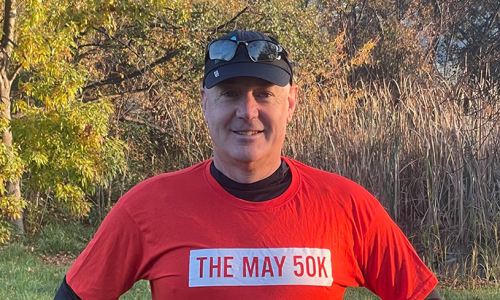
The May 50K
In 2024, the MS Australia team will once again take part in The May 50K, an event that plays a crucial role in funding research for multiple sclerosis.
Support the MS Australia Team
Award for providing a voice to people living with MS in the Queensland community
The 2023 award recipient is Ms Rachel Kerr for her commitment, dedication and service to people living with MS in the Queensland community.
Read more
MS Research Grants Announcement
MS Australia commits $4.5 million to cutting-edge MS research
Read more
A Roadmap for Consumer Engagement
Read more
MS Nurses - Life-Changing Care
On World MS Day, MS Australia launched a national communications and advocacy campaign to raise awareness of MS Nurses
Read more
What is MS?
a new educational resource produced to demystify and explain a complex, and often at times, invisible disease that now impacts more than 33,000 Australians.
Watch the video
MS Australia is campaigning for improvements to the National Disability Insurance Scheme (NDIS) to better meet the needs of people living with multiple sclerosis (MS).
Read more
Online MS Research The Australian MS Longitudinal Study
Become involved today!
Register now
Keep hope for a cure alive
"Rise, don't stop" - Ricky, diagnosed with MS at 35
Please Donate
MS Nurse Care in Australia Report
Patterns of access and impact on health outcomes
Read Full Report Here
COVID-19 vaccine information for people with MS
The latest COVID-19 vaccine information for people living with MS
Read more
Previous slide
Next slide
The May 50K
Award for providing a voice to people living with MS in the Queensland community
Read more
MS Research Grants Announcement
MS Australia commits $4.5 million to cutting-edge MS research
Read more
A Road Map for Consumer Engagement
Read more
MS Nurses
Life-Changing Care
Read more
What is MS?
Watch video
Better NDIS for people living with MS
Read more
Online MS Research The Australian MS Longitudinal Study
Become involved today!
Get involved
World MS Day 2024
You can help give back what MS takes away.
Help ensure there is always access to an MS nurse for an Australian who needs support.
Please Donate
MS Nurse Care in Australia Report
Patterns of access and impact on health outcomes
Read Full Report
COVID-19 vaccine information for people with MS
The latest COVID-19 vaccine information for people living with MS
Read more
Previous slide
Next slide
Support and services
NMOSD and MOGAD
Early High-Efficacy Therapy in Paediatric MS Reduces Risk of Reaching Key Disability Milestones
April 24, 2024
New study reveals early highly effective therapy significantly reduces disability...
Read more
How the Big MS Data network is advancing MS research
April 24, 2024
The Big MS Data network consists of multiple national and...
Read more
Tessa, The May 50K Motivator
April 24, 2024
Let us introduce you to Tessa, one of the incredible...
Read more
From our CEO
April 24, 2024
CEO Rohan Greenland shares insights into the world-class, life-changing MS...
Read more
Ocrelizumab effectively reduces MS relapses in over 60s
April 24, 2024
Real-world evidence confirms the benefits of starting treatment in people...
Read more
Award for providing a voice to people living with MS in the Queensland community
April 23, 2024
MS Australia has today announced Ms Rachel Kerr as the...
Read more
View all News
Our vision
A world without MS
Read More
Search ...
Results
Newsletter subscription
What would you like to hear about?
*
MS Australia
Kiss Goodbye to MS
Enter your details
Title
*
Mr
Ms
Miss
Mrs
Dr
Professor
Associate Professor
First Name
*
Last Name
*
Email
*
Δ
Home